
PUBLISHED:
21 March 2026
DOI:
10.54854/imi2025.02
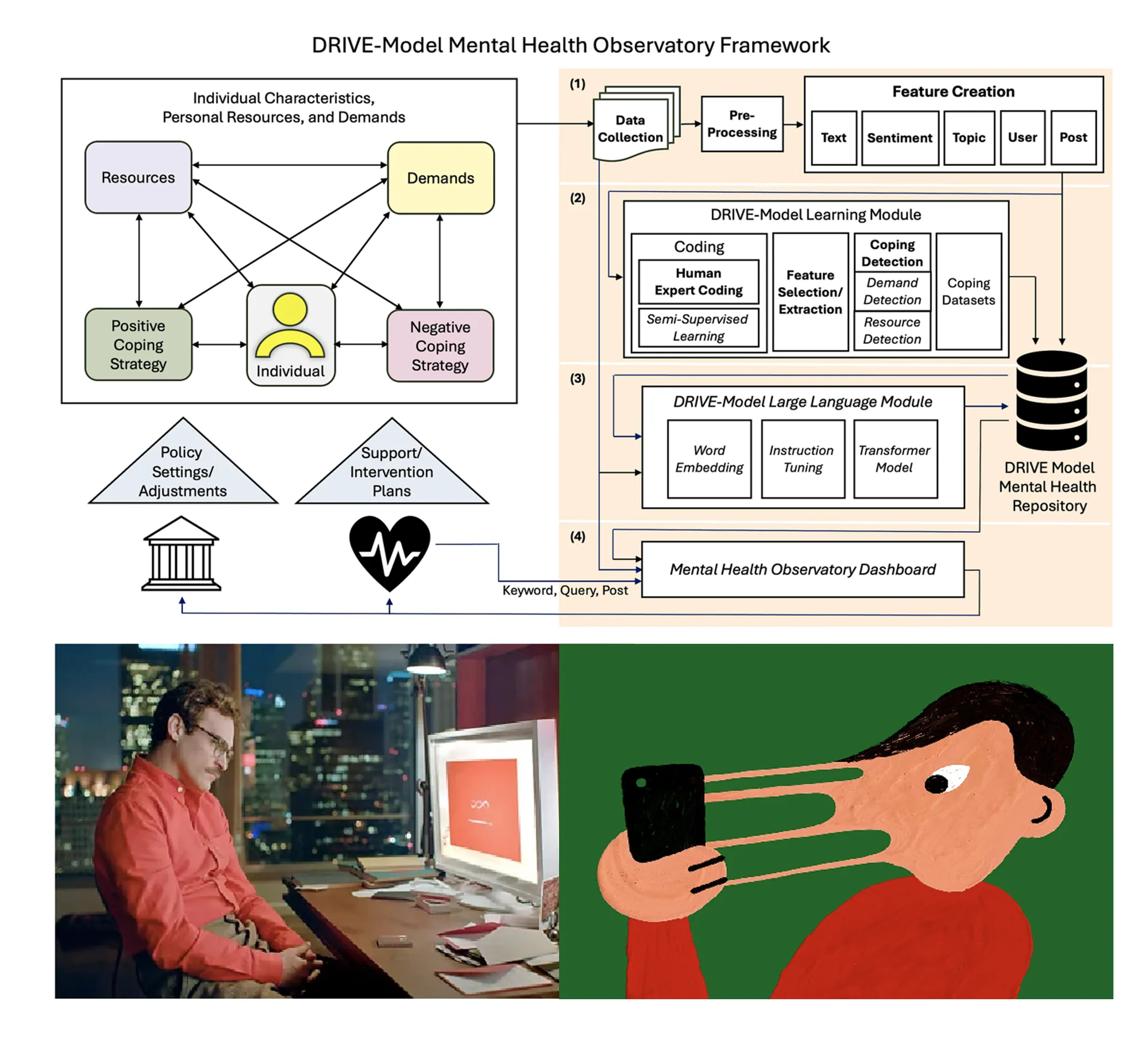
This paper examines the relationship between artificial intelligence, obsessive–compulsive disorder (OCD), and the modern struggle with uncertainty. While AI now functions as a powerful tool for reassurance, its instant responses risk reinforcing the same anxiety-relief cycles that define OCD. Through psychological research, contemporary data, and cultural narratives, from digital mental-health platforms to film, this paper explores how AI mirrors human vulnerabilities, especially the desire for certainty, recognition, and control. It argues that the future of human–AI collaboration depends less on perfecting artificial empathy and more on preserving humanity’s capacity to endure ambiguity, seek genuine connection, and cultivate emotional autonomy.

CITE THIS ARTICLE
T.LL. Kal, "The Reassurance Machine: Obsessive-Compulsive Disorder's Unseen Ally", Innovations in Machine Intelligence (IMI), vol.5, pp. 15-21, 2025, DOI: 10.54854/imi2025.02
DOWNLOAD PDF

