
PUBLISHED:
21 March 2026
DOI:
10.54854/imi2025.03
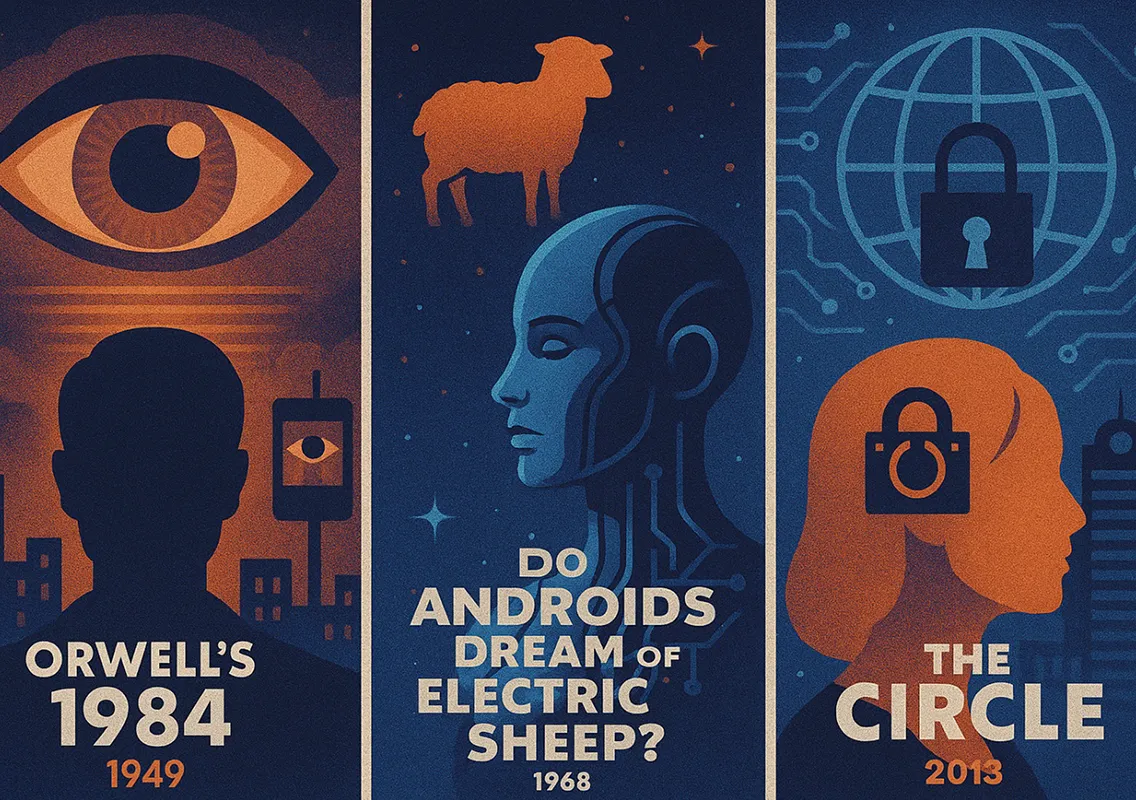
The rapid integration of digital technologies into social life has intensified ethical debates around surveillance, artificial intelligence (AI), data governance, and human autonomy, yet their cultural and experiential dimensions remain underexplored. This study argues that speculative and dystopian literature serves as an alternative epistemic space for ethical reflection, shaping public imagination and informing contemporary IT discourse. Through qualitative analysis of five key works—1984, Do Androids Dream of Electric Sheep?, The Circle, Exhalation, and The Dispossessed—the study identifies recurring ethical themes including surveillance systems, personhood, algorithmic power, ecological and existential vulnerability, and models of technological governance. Situating these narratives alongside foundational IT ethics scholarship shows how literature anticipates sociotechnical dilemmas and provides conceptual vocabularies later adopted in public and policy debates. The findings suggest that speculative fiction not only reflects cultural anxieties but also functions as a normative resource for ethical reasoning, education, and AI governance, supporting its integration into IT ethics research and pedagogy.

CITE THIS ARTICLE
S. Habib, "Exploring Ethical Concerns in IT Through the Lens of Literature: Conceptual Foundations and Future Directions", Innovations in Machine Intelligence (IMI), vol.5, pp. 22-27, 2025. DOI: 10.54854/imi2025.03
DOWNLOAD PDF

